
1. Existing conditions
Soft flooring, loose tile, staining, movement, damaged trim or previous repair patches can signal problems that a finish-only approach will not diagnose.
BATHROOM DECISION GUIDE
The right answer depends on what needs to change behind the finish—not only how quickly the old tub or shower can be covered or removed.
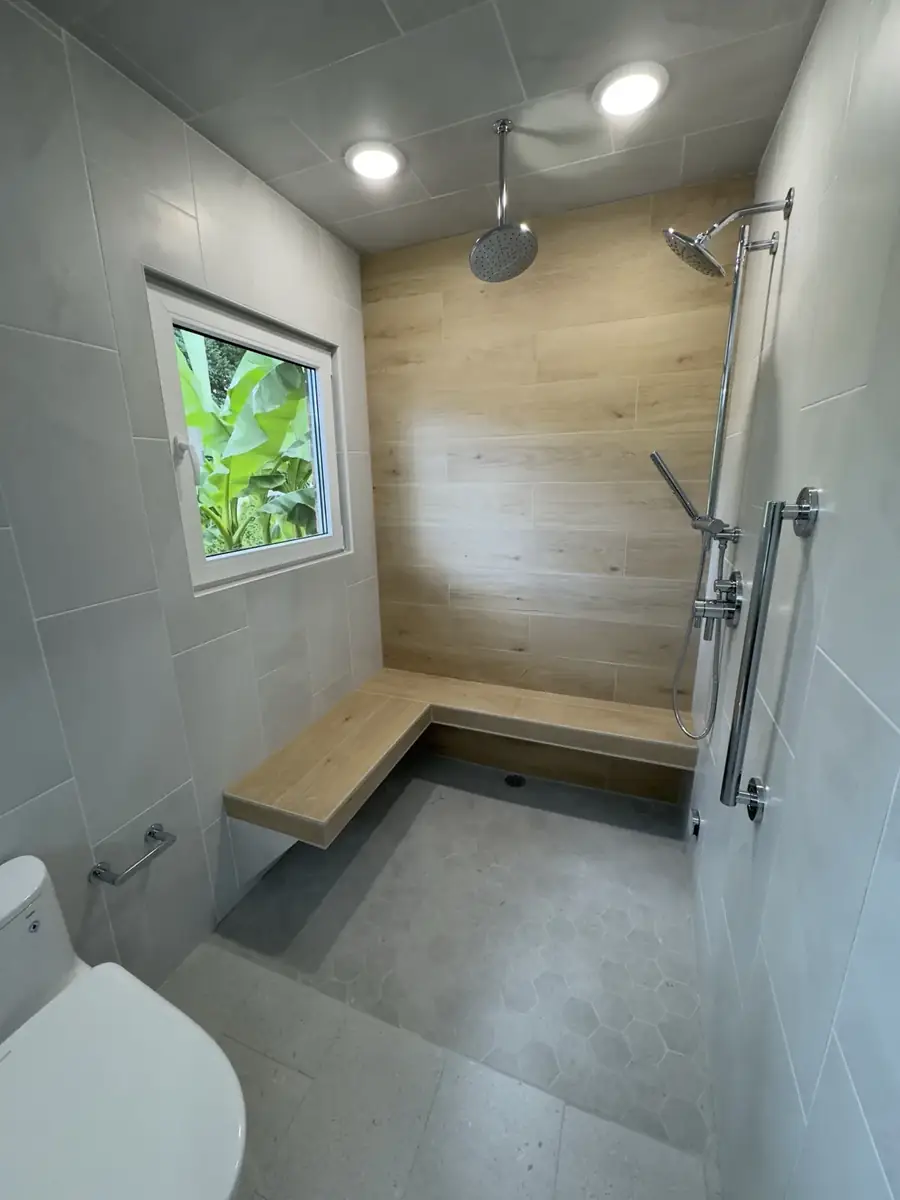
TWO DIFFERENT PROJECT TYPES
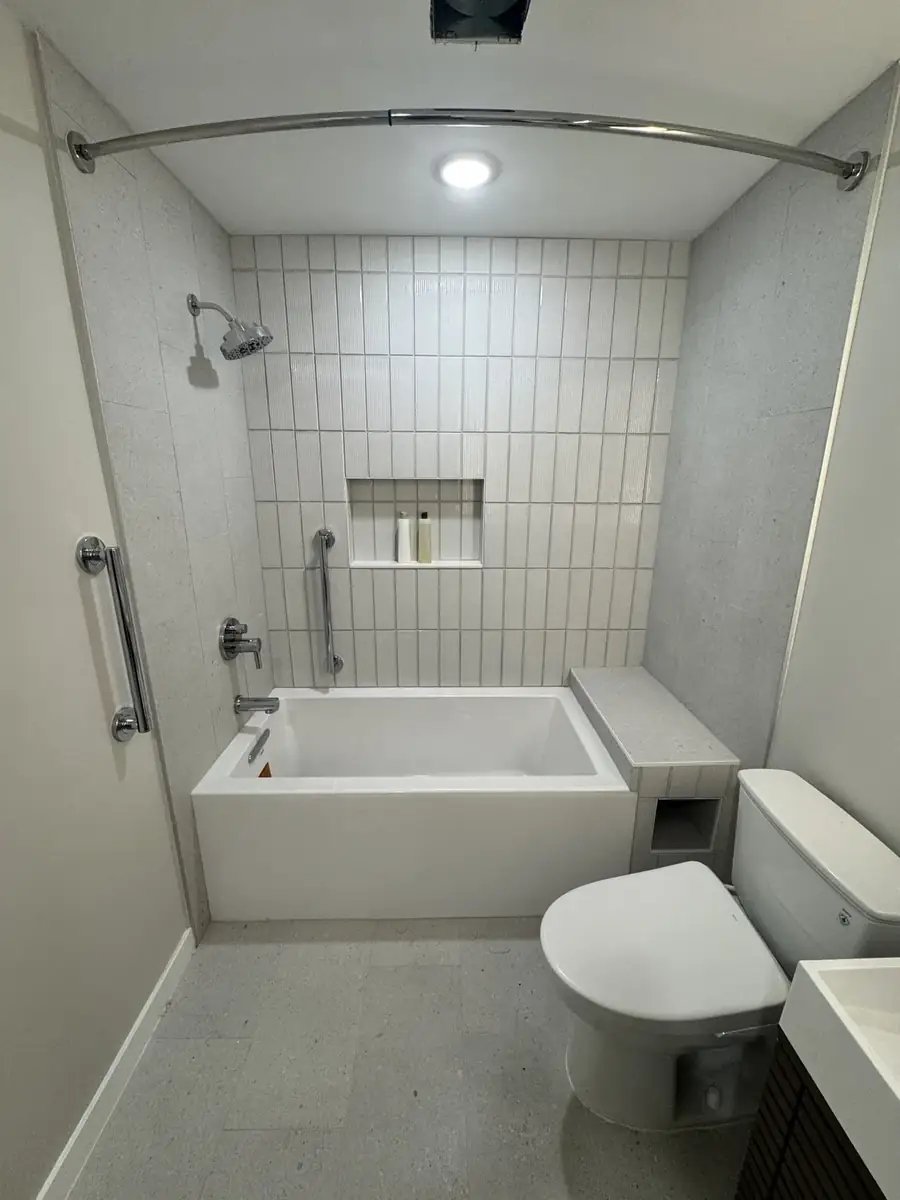
This approach can fit when the existing footprint works, the homeowner wants a standardized wall or base system, and there is no evidence that broader room or substrate correction is needed.
Its main advantages can be a narrower scope, fewer finish decisions and a shorter construction window when the existing conditions support the planned product.
This approach removes the existing assembly and builds the shower around the room, including the base, drain, slope, waterproofing, walls, entry, niches or bench, tile layout and glass coordination.
Its main advantages are flexibility, access to hidden conditions, material choice and control over the details behind the finished surface.
THE SIX DECISIONS THAT MATTER
Soft flooring, loose tile, staining, movement, damaged trim or previous repair patches can signal problems that a finish-only approach will not diagnose.
Ask how the base, drain, seams, corners, penetrations and entrance work together. Tile and wall panels are finishes; the complete assembly manages water.
A standardized replacement usually follows the existing footprint. Custom work can evaluate drain position, shower size, storage, seating, glass and entry details together.
Wall systems can reduce grout lines. Tile provides broad design flexibility but requires deliberate choices for grout, sealant, texture, niches, glass and cleaning access.
A narrower replacement can be faster when the underlying conditions cooperate. A full tile shower includes more preparation, curing, layout, finish and coordination stages.
Compare demolition, disposal, repairs, fixtures, valve work, glass, trim, paint, flooring transitions, permits when applicable, exclusions and change handling.
WHEN A FAST REPLACEMENT MAY FIT
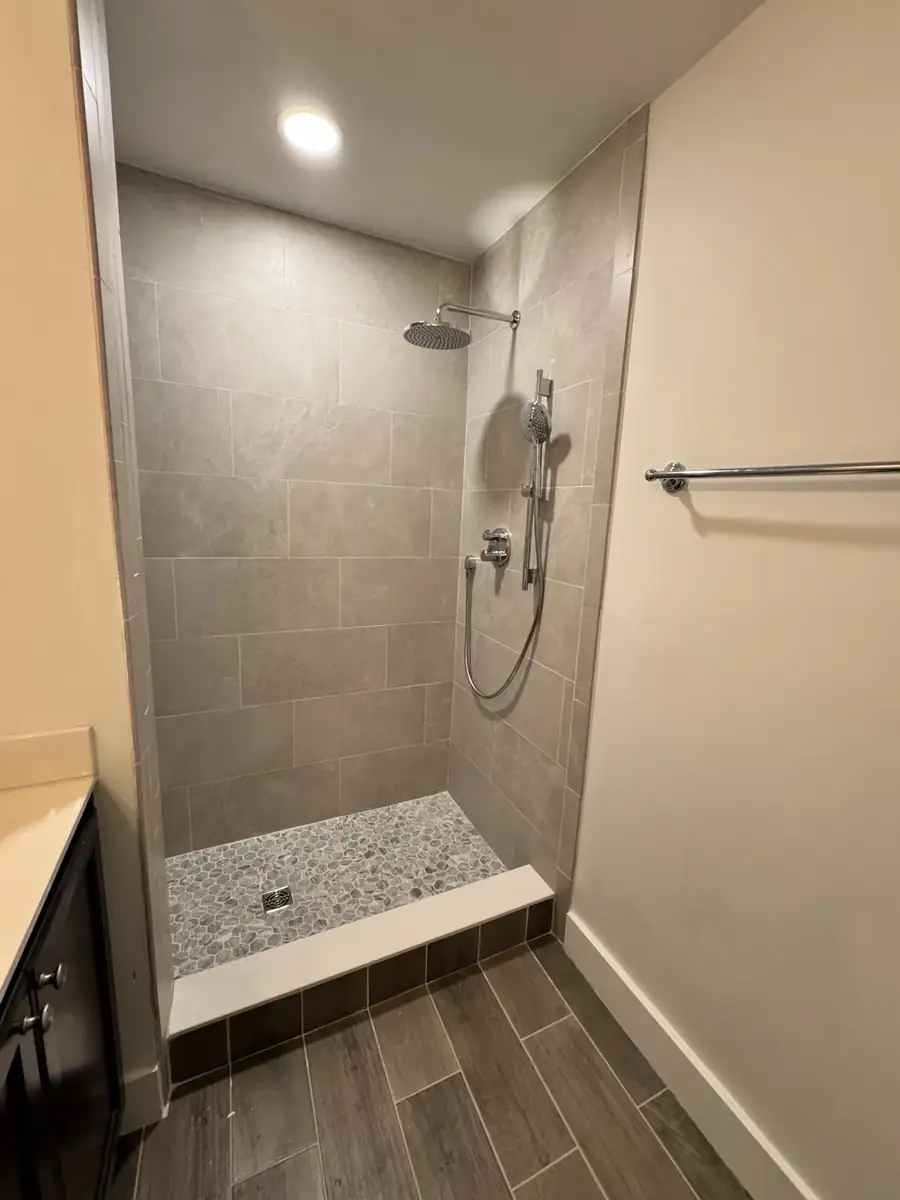
WHEN CUSTOM TILE MAY FIT
QUESTIONS FOR ANY SHOWER ESTIMATE
SHOWER REPLACEMENT FAQ
Not necessarily. Price depends on the actual scope, product, demolition, repairs, plumbing, glass and finish work. Compare written inclusions and exclusions rather than assuming two different systems describe the same job.
A finish surface does not repair damaged framing, unsuitable substrates or failed water-management details by itself. Existing conditions have to be exposed and evaluated when there are signs of failure.
A custom tile shower is often appropriate when the homeowner wants a different footprint, detailed storage, a bench, coordinated glass, a low threshold when feasible, custom materials or a full water-management assembly built around the actual room.
No. A true curbless shower depends on framing or slab conditions, drain position, available depth, shower size and required slope. Those conditions should be evaluated before a zero-entry detail is promised.
COMPARE THE REAL CONDITIONS
Send the project location, current shower photos and the changes you want. Aaron can help identify whether a focused replacement or a full custom scope deserves the next conversation.